







Data Science in 2026: Skills, Tools, and Career Reality

Data science continues to shape how organizations make decisions, build products, and predict outcomes. In 2026, data science is no longer limited to tech companies—it is embedded across healthcare, finance, education, logistics, and public services.
What makes data science powerful today is not just algorithms, but the ability to turn raw data into clear, actionable insight that drives real-world impact.
Why Data Science Still Matters in 2026
Why Data Science Still Matters in 2026
Data science sits at the intersection of data, technology, and decision-making. While automation and AI have evolved, the demand for professionals who can ask the right questions, interpret results, and guide strategy has increased.
In practical terms, data science helps organizations:
• Understand customer behavior
• Optimize operations
• Predict trends and risks
• Improve decision accuracy
Data alone has no value until it is analyzed and explained.
Data Science Foundations: What You Must Know
A strong data science foundation starts with understanding how data behaves and how insights are extracted.
Core areas include:
• Statistics and probability
• Data cleaning and preparation
• Exploratory data analysis
• Basic programming logic

Practical Data Science Tools Used Today
Modern data science workflows rely on a mix of tools rather than a single platform.
Commonly used tools include:
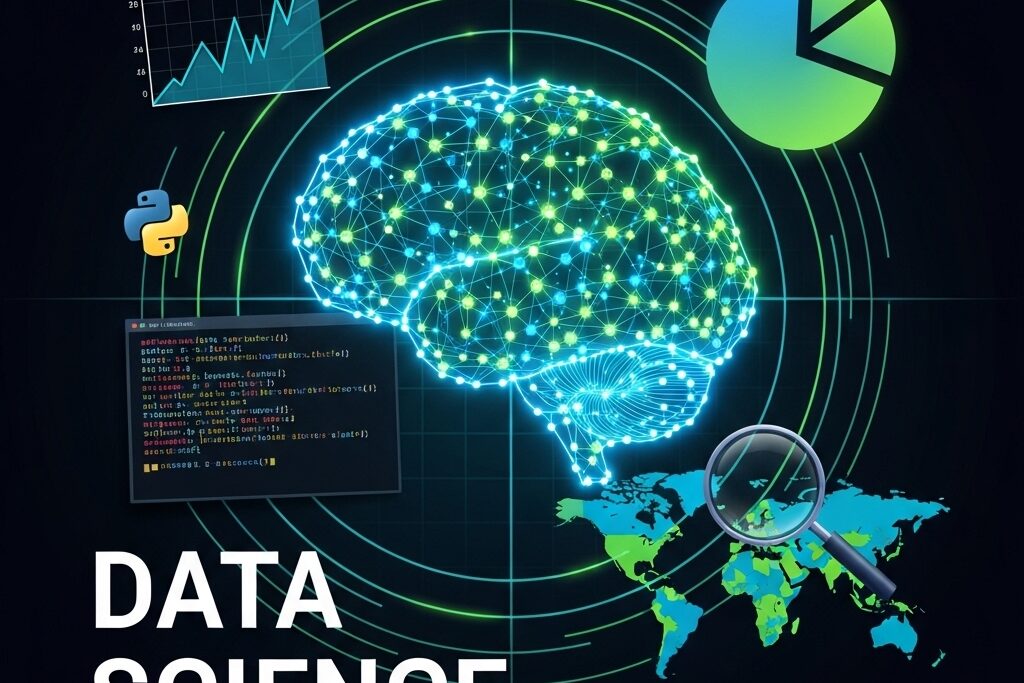
- Python for analysis and automation
- SQL for structured data querying
- Data visualization tools for insight communication
The goal is not tool mastery alone, but knowing when and why to use each tool.
Applied Data Science in Real Work
Data science is rarely theoretical in real environments. Most work involves:
- Messy and incomplete data
- Tight deadlines
- Business constraints
This is where human judgment matters most—choosing what data to trust, what insights matter, and how results should influence decisions.
Global Data Science Meets Local Context
Data science works best when global techniques meet local understanding.
Models trained on global datasets must still:
- Respect local behaviors
- Account for cultural context
- Adapt to real-world limitations
This balance makes data science more responsible and effective.
Data science is not about knowing everything—it is about knowing what matters. In 2026, professionals who combine analytical thinking, ethical awareness, and communication skills will stand out in a field that continues to grow in influence and responsibility.
“The real power of data science is not prediction, but understanding.”
— Industry Insight