



Vibe Coding: The Future of Software Development in 2026
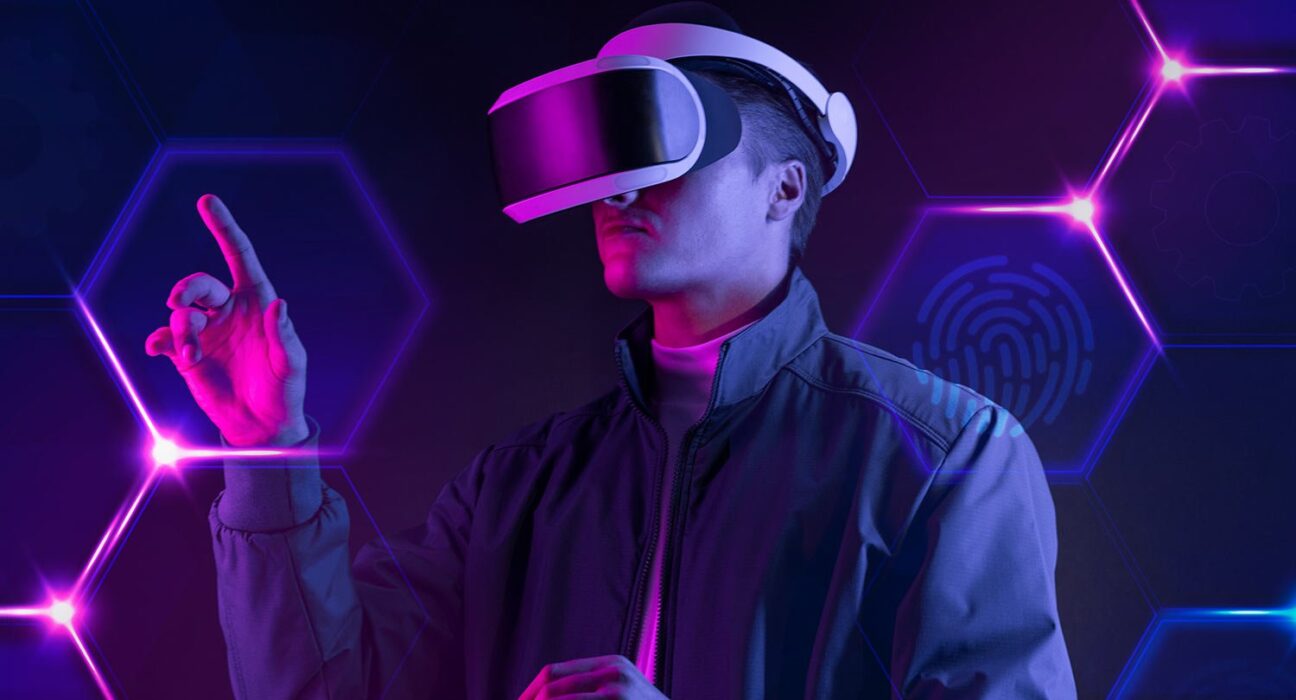
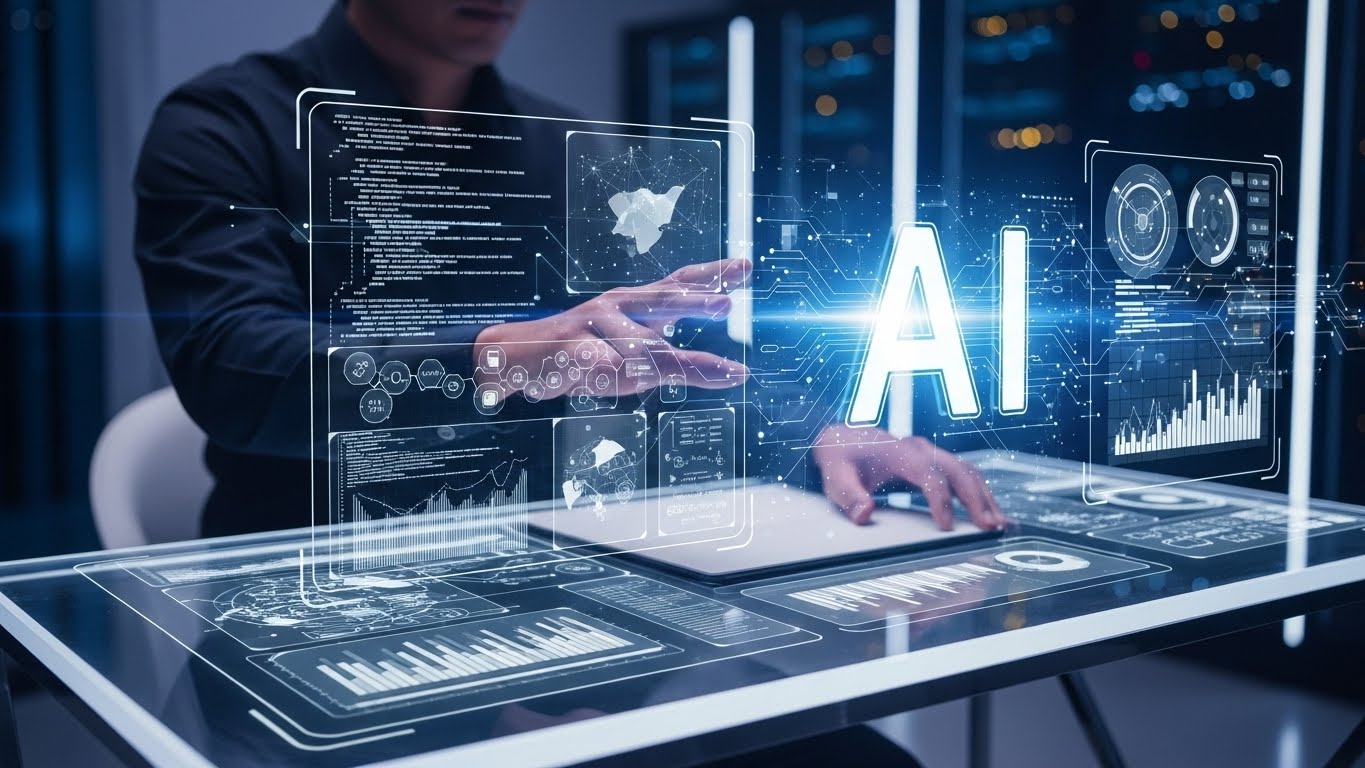
Vibe coding is a modern software development approach where developers focus on intent, logic, and outcomes rather than manually writing every line of code. In 2026, vibe coding has become mainstream due to the rise of AI-powered coding assistants and natural language programming.
Instead of struggling with syntax, developers describe what they want—and the system helps generate, refine, and optimize the code.
What Is Vibe Coding?
Vibe coding is coding by communication.
You explain:
- What the app should do
- How users interact with it
- What problem it solves
And AI-assisted tools translate that “vibe” into working code.
In simple terms:
You think in ideas. The system handles the boilerplate.
This mindset defines vibe coding in 2026.
Why Vibe Coding Became Popular
Traditional coding is powerful but time-consuming. Vibe coding solves real problems developers face:
- Too much repetitive code
- Long development cycles
- Steep learning curves for beginners
Key Reasons for Its Growth
- AI understands natural language better than ever
- Faster prototyping and MVP development
- Reduced cognitive load on developers
Vibe coding allows developers to stay in a creative flow state, hence the name.
How Vibe Coding Works (Step-by-Step)
1- Describe the Intent
Instead of writing code first, you describe:
- Features
- Logic
- User behavior
Example:
“Create a login system with email verification and error handling.”
2- AI Generates the Code
The system produces:
- Clean structure
- Best-practice patterns
- Readable logic
3- Human Refinement
Developers:
- Review the output
- Adjust logic
- Optimize performance
Vibe coding is collaboration, not replacement.
Skills Needed for Vibe Coding
Surprisingly, vibe coding is not about knowing less—it’s about knowing differently.
Core Skills
- Logical thinking
- Problem decomposition
- Clear communication
- Basic understanding of code structure
Soft Skills Matter More
- Explaining requirements clearly
- Asking the right questions
- Reviewing and validating AI output
This shift changes how developers learn and work.
Who Should Use Vibe Coding?
Vibe coding is ideal for:
- Beginners learning programming
- Startup founders building MVPs
- Designers turning ideas into prototypes
- Experienced developers speeding up workflows
In 2026, vibe coding is not a shortcut—it’s a smart workflow.
Limitations of Vibe Coding
Vibe coding is powerful, but not perfect.
Challenges
- Over-reliance on AI
- Need for strong validation
- Complex systems still require deep expertise
The best developers use vibe coding as a tool, not a crutch.
The Future of Vibe Coding
By 2026 and beyond:
- Coding will feel more conversational
- Development cycles will shrink
- Creativity will matter more than memorizing syntax
Vibe coding represents a shift from how we code to why we code.
Final Thoughts
Vibe coding is not about replacing developers—it’s about freeing them. By focusing on ideas, logic, and outcomes, developers can build faster, think clearer, and enjoy the process more.
In a world powered by AI, vibe coding is the bridge between human creativity and machine efficiency.